
Diabetic Foot & Related Conditions
Below are some of the common conditions we treat at CDFC Hospital.
Diabetic Foot
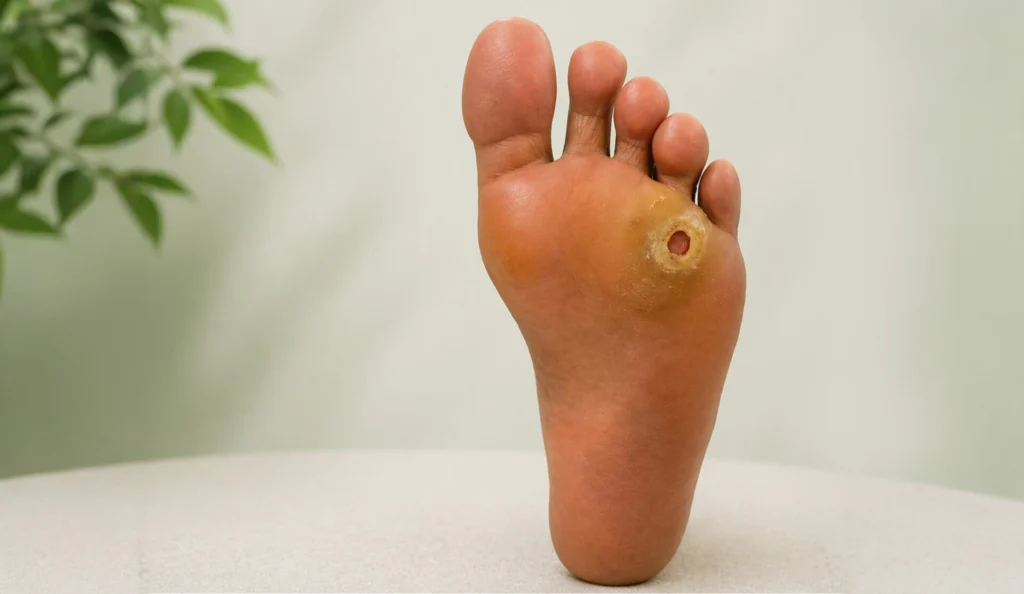
Diabetic foot refers to infections, ulcers, or damage to the foot caused by diabetes. Reduced blood flow and nerve damage can delay healing and increase the risk of complications. Early treatment is important to prevent serious outcomes.
- Diabetic foot ulcers and non-healing wounds
- Reduced sensation due to nerve damage (neuropathy)
- Poor blood circulation affecting wound healing
- Foot infections and inflammation
- Skin breakdown, cracks, and pressure-related injuries
- Risk of serious complications if left untreated
Early evaluation and proper diabetic foot care can help manage these conditions and protect foot health.
Varicose Veins
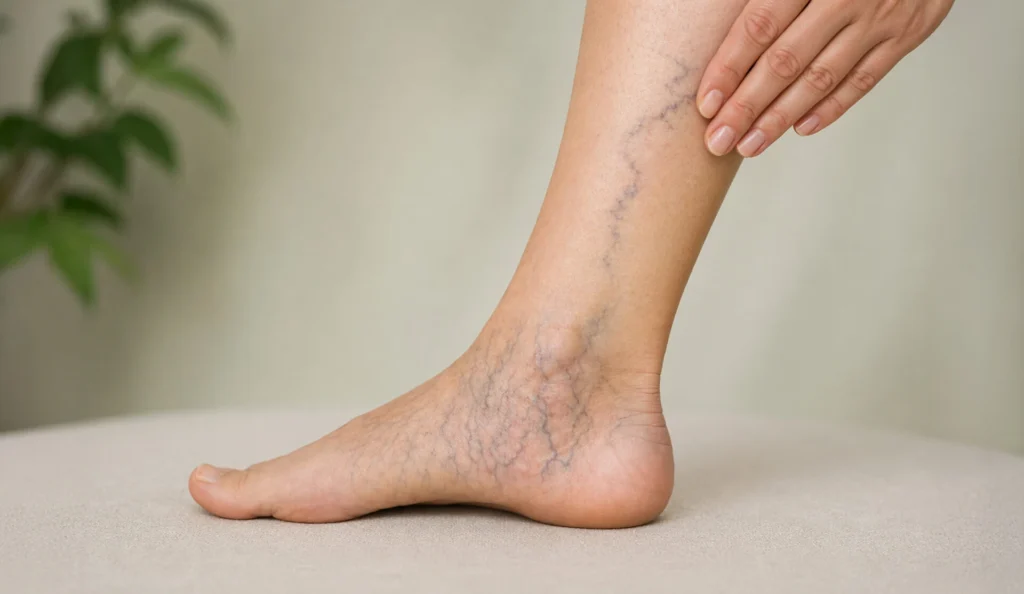
Varicose veins are enlarged, twisted veins usually seen in the legs. They can cause pain, swelling, and discomfort, especially after long periods of standing. Proper treatment helps improve circulation and reduce symptoms.
Common symptoms and concerns of varicose veins include:
- Visible enlarged, twisted, or bulging veins
- Leg pain, aching, or heaviness
- Swelling around the ankles and legs
- Burning, itching, or discomfort around affected veins
- Leg cramps, especially at night
- Skin changes or irritation in advanced cases
Early diagnosis and appropriate treatment can help manage symptoms, improve blood circulation, and support better leg health.
Ingrown Toenail
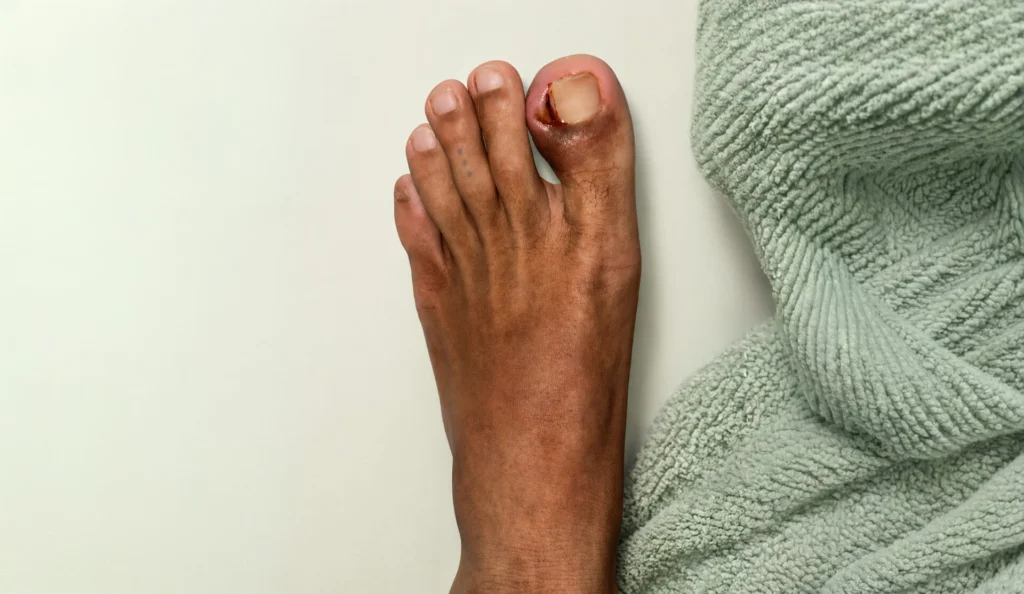
An ingrown toenail occurs when the nail grows into the surrounding skin, causing pain, redness, and swelling. If not treated early, it can lead to infection, especially in diabetic patients.
Common symptoms and concerns of ingrown toenails include:
- Pain and tenderness around the toenail
- Redness and swelling of the surrounding skin
- Discomfort while walking or wearing footwear
- Pus or signs of infection
- Nail growth into the surrounding skin
- Increased risk of complications in diabetic patients
Corns

Corns are thickened areas of skin that develop due to repeated pressure or friction. They can become painful while walking and may worsen if ignored. Safe removal and pressure relief are important.
Common symptoms and concerns of corns include:
- Thick, hardened areas of skin on the feet
- Pain or tenderness while walking or standing
- Discomfort when wearing tight footwear
- Rough or raised skin patches
- Increased pressure on surrounding foot areas
- Risk of complications in people with diabetes
Early evaluation and proper foot care can help relieve discomfort, reduce pressure, and maintain healthy feet.
Lymphedema
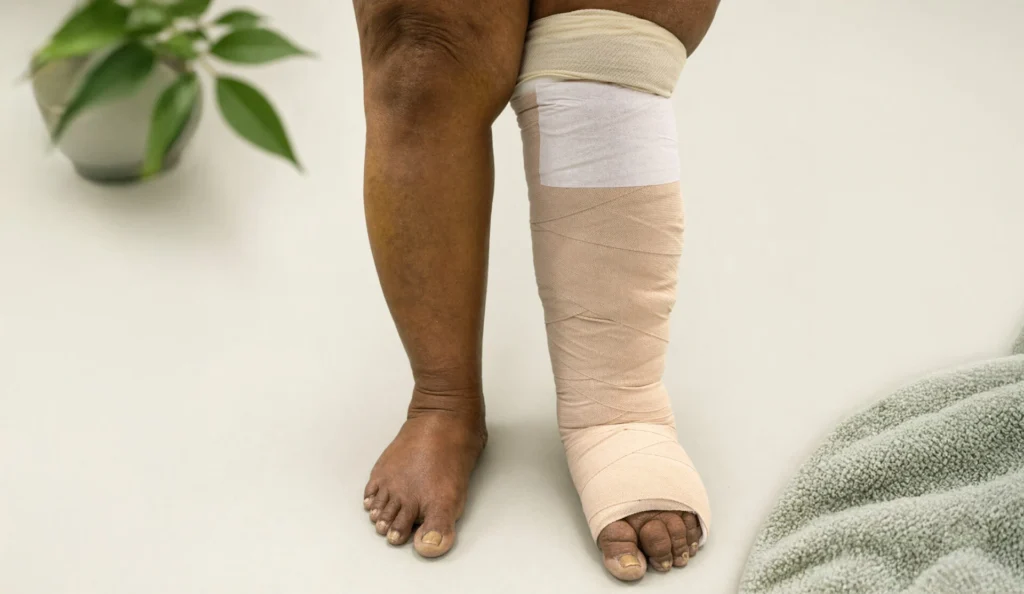
Common symptoms and concerns of lymphedema include:
- Swelling in the legs, feet, or ankles
- Feeling of heaviness or tightness in the affected area
- Skin thickening or changes in skin texture
- Reduced flexibility and difficulty with movement
- Discomfort or aching in swollen areas
- Increased risk of skin infections
Timely management and specialized care can help control swelling, protect skin health, and improve quality of life.
Gangrene
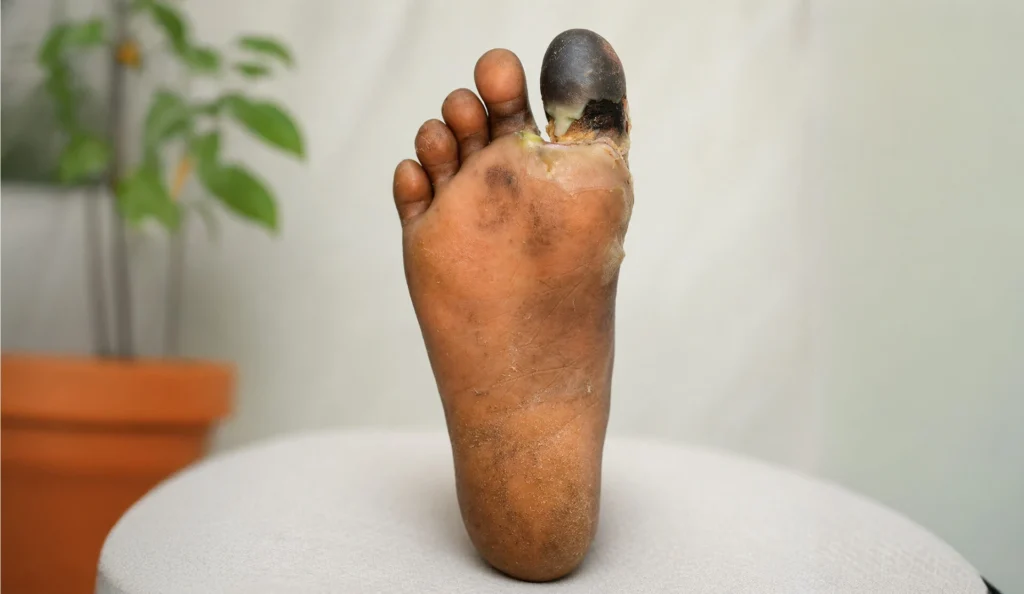
Gangrene is a serious condition where body tissue dies due to lack of blood supply or infection. It requires urgent medical attention to prevent further complications and protect the affected limb.
Common signs and concerns of gangrene include:
- Skin color changes (black, blue, or darkened areas)
- Severe pain or loss of sensation in the affected area
- Swelling, redness, or inflammation
- Foul-smelling discharge from infected tissue
- Blisters or skin breakdown
- Risk of spreading infection if untreated
Prompt evaluation and specialized treatment can help manage gangrene, control infection, and improve the chances of limb preservation.
Knee Osteoarthritis

Knee osteoarthritis is a condition where the joint cartilage wears down over time, causing pain and stiffness. It can affect walking and daily activities, especially in older adults.
Common symptoms and concerns of knee osteoarthritis include:
- Knee pain during walking, climbing stairs, or physical activity
- Stiffness, especially after rest or in the morning
- Swelling and tenderness around the knee joint
- Reduced range of motion and difficulty bending the knee
- Joint stiffness and a feeling of weakness
- Difficulty performing daily activities comfortably
Timely diagnosis and proper management can help reduce discomfort, improve mobility, and support better knee health.
Diabetic Neuropathy
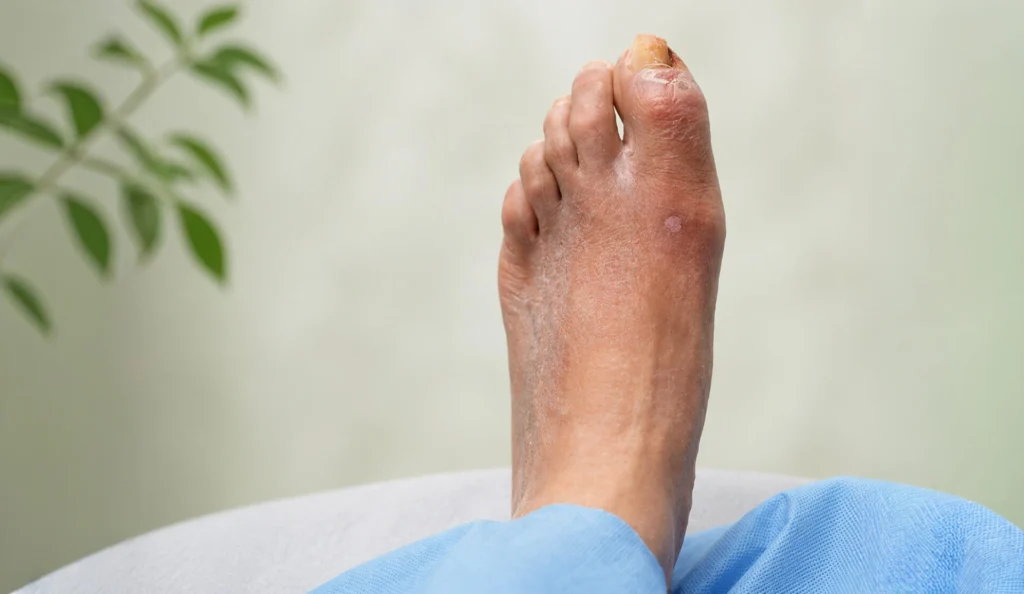
Diabetic neuropathy is nerve damage caused by prolonged high blood sugar levels. It can lead to numbness, tingling, or loss of sensation in the feet, increasing the risk of unnoticed injuries.
Common symptoms and concerns of diabetic neuropathy include:
- Numbness or reduced sensation in the feet
- Tingling, burning, or prickling sensations
- Sharp or shooting nerve pain
- Increased sensitivity or discomfort to touch
- Difficulty noticing cuts, blisters, or foot injuries
- Higher risk of foot ulcers and infections
Early detection and proper diabetic foot care can help manage symptoms, prevent complications, and protect foot health.